Save big on custom tees!
Screen Printing vs Direct-to-Film (DTF)
2/22/20263 min read
Choosing the right garment-printing method affects print quality, cost, turnaround, and suitability for your project. This guide compares screen printing and Direct-to-Film (DTF) so you can pick the best option for your needs.
What they are?
Workflow & production steps
Screen Printing:
Create color separations.
Expose emulsion screens for each color.
Align screens on press, print each color.
Cure/dry inks and finish.
DTF:
Prepare digital artwork (no separations).
Print mirror image onto PET film with DTF inks.
Apply hot-melt powder adhesive to wet ink.
Flash/thermally cure adhesive on film.
Heat-press film to garment and peel; optional post-cure.
Image quality & design limitations
Screen Printing:
Strengths: Very opaque solids, excellent spot colors, and specialty effects (metallic, puff, glitter, water-based, discharge).
Limitations: Not ideal for photorealistic, high-color-count artwork without complex techniques.
DTF:
Strengths: Excellent for photographic, gradient, and full-color designs with fine detail.
Limitations: Transfer layer can be slightly film-like; may need underbase on very dark garments.
Color & durability
Screen Printing: Extremely durable when properly cured; top choice for long-lasting prints and specialty inks.
DTF: Good durability that has improved quickly; properly applied DTF withstands many wash cycles though premium plastisol can still outlast it in some cases.
Hand-feel & appearance
Screen Printing: Range from heavy (thick plastisol) to very soft (water-based or discharge). Specialty textures are possible.
DTF: Often slightly raised/film-like due to transfer adhesive; thin films and newer adhesives produce softer results.
Cost & volume economics
Screen Printing:
Higher upfront setup (screens, time) but low per-unit cost for medium-to-large runs.
Best for bulk orders (commonly 50+ pieces per design, depending on complexity).
DTF:
Low setup cost and ideal for on-demand, single pieces, or small runs.
Per-print cost higher than large-run screen printing but lower for small batches.
Turnaround & flexibility
Screen Printing: Longer setup for new designs; very fast per-piece on large runs. Changing designs requires new screens.
DTF: Fast turnaround for new designs—print directly from files. Excellent for personalization and frequent changes.
Fabric compatibility & substrates
Screen Printing: Works on cotton, blends, polyester (with correct inks), and specialty fabrics; some synthetics require treatments.
DTF: Highly versatile—cotton, polyester, blends, nylon, leather, and other substrates with minimal prep.
Environmental & safety considerations
Screen Printing: Traditional plastisol inks contain PVC/phthalates (many suppliers now offer safer alternatives). Screen cleaning uses chemicals that require proper disposal.
DTF: Uses inks, PET film, and powder adhesives; produces film waste and powdered adhesive handling considerations. Material choices and recycling options vary.
Best use cases
Choose Screen Printing if:
You need durable prints for large runs.
You want specialty ink effects or maximum opacity.
Cost-per-unit for bulk orders is a priority.
Choose DTF if:
You need full-color photographic prints or frequent design changes.
You want low setup cost, on-demand printing, or personalization.
You print small runs, single items, or mixed orders.
Common misconceptions
“DTF is always cheaper” — Not always. DTF is cheaper for small runs; screen printing is usually cheaper per unit at scale.
“Screen printing is obsolete” — False. It remains the top choice for certain effects, durability, and bulk economics.
“DTF looks like cheap vinyl” — Modern DTF can produce fine detail and smooth results; the hand-feel depends on materials and process.
Practical tips for buyers
Request sample swatches printed on your specific fabric and garment color.
For mixed needs, consider hybrid approaches: screen-print spot colors and DTF photographic elements.
Ask sellers for wash-test results (20+ cycles) before large production.
Confirm curing temperatures and any post-press steps required for longevity.
Conclusion Both processes have distinct strengths. Screen printing excels at cost-effective, durable bulk production and specialty effects. DTF shines for low-volume, high-detail, and flexible on-demand printing. Match your choice to quantity, design complexity, substrate, budget, and desired finish.
Call to action Need help choosing for your project? Contact us with your artwork, garment type, and quantity and we’ll recommend the best printing method and provide a sample.
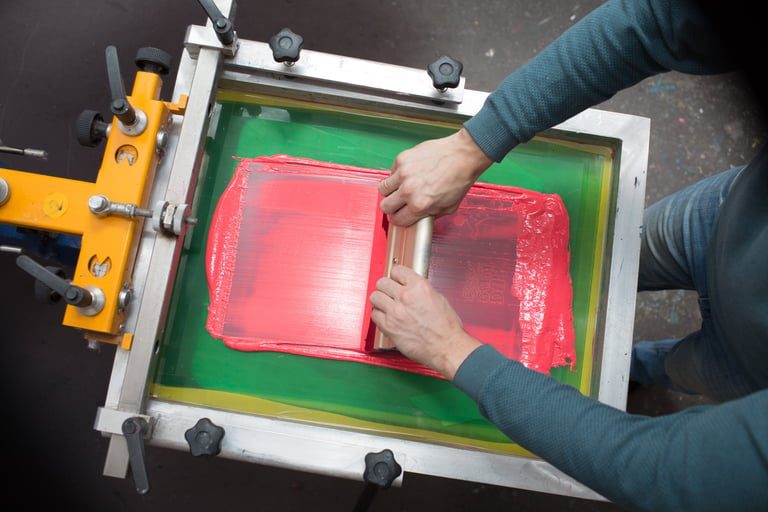
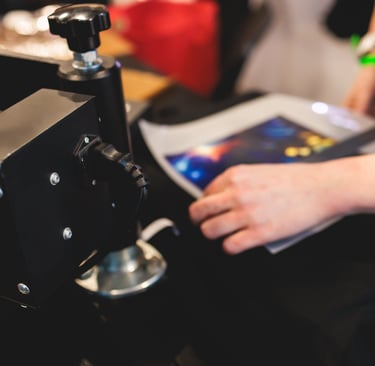
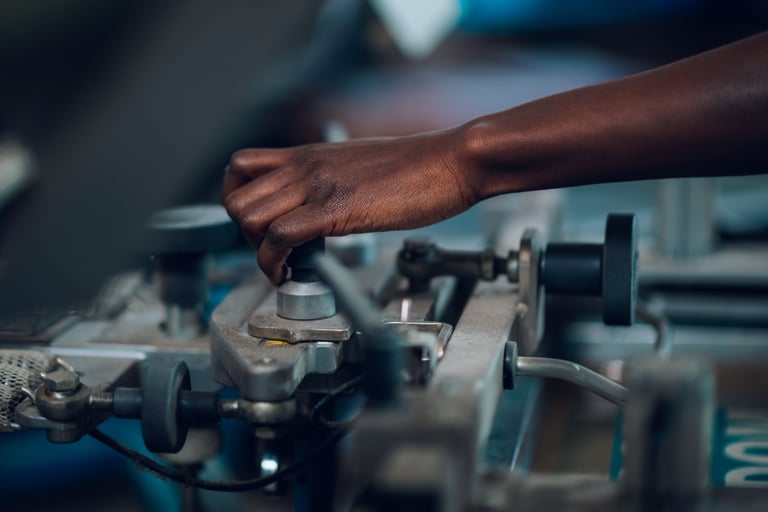
Screen Printing: A stencil-based process where ink is pushed through a mesh screen onto fabric—one screen per color. Ideal for durable, high-opacity prints and specialty inks.
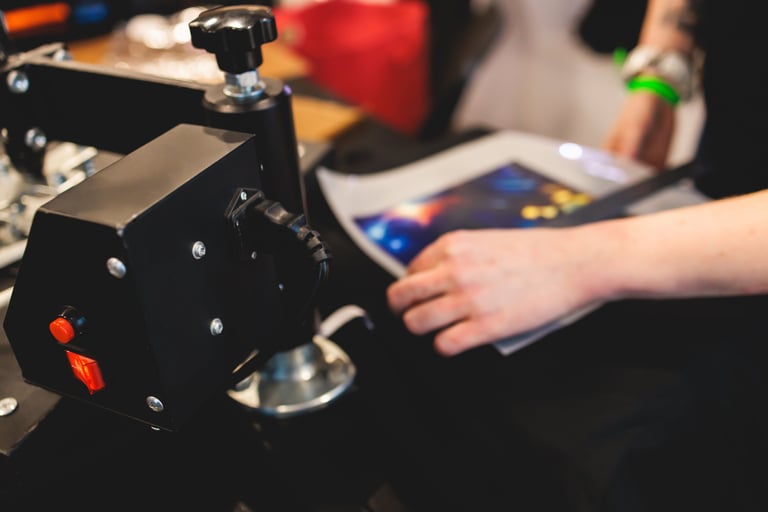
Direct-to-Film (DTF): A digital process where ink is printed onto PET film, a powdered adhesive is applied and cured, then the design is heat-transferred to the garment. Great for detailed, full-color prints and short runs.
Golden Rag Studio
Contact
goldenragstudio@gmail.com
© 2024. All rights reserved.